All Categories
Featured

Why DIY Grout Cleaning Often Fails Homeowners
Table of Contents
Advancements in Moisture Management for the local community Surfaces
Homeowners in the local market are seeing a significant shift in how interior surfaces are maintained in 2026. The traditional methods of topical waxing and temporary coatings have been replaced by sophisticated molecular barriers. These advancements focus on the fundamental chemistry of porous materials like grout, natural stone, and even the sub-surfaces of hardwood installations. In a climate like Tennessee, where humidity levels often fluctuate, protecting these porous channels is essential for maintaining the structural integrity and appearance of a home.
Molecular sealing technology in 2026 works by penetrating deep into the microscopic pores of a material rather than sitting on top of it. Older sealants often created a plastic-like film that would yellow, crack, or peel over time. Modern formulas use siliconate or fluoropolymer particles that bond with the mineral structure of the grout or stone. This creates a hydrophobic surface that repels water, oils, and tannins without trapping moisture underneath. Breathability is a critical factor here, as trapping moisture within a slab or subfloor can lead to "spalling" or the gradual crumbling of the material from the inside out.
Restoring the Original Appearance of Tile Grout Cleaning
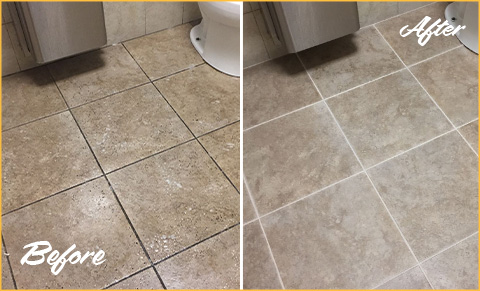
The visual appeal of natural stone and tile often fades because of microscopic soil accumulation and moisture-induced oxidation. When grout lines remain unsealed, they act like a sponge, pulling in dirty mop water and spills. Over months and years, this leads to a permanent discoloration that standard scrubbing cannot fix. In 2026, restoration experts emphasize the importance of deep extraction followed by high-grade sealing to lock in the original color of the installation.
Property owners often find that the demand for HydroClean Carpet & Floor Care has increased as people look to preserve existing high-end finishes rather than replacing them. Replacing a stone floor is expensive and resource-intensive, making restoration a more sustainable and cost-effective path. By applying a penetrating sealer after a professional deep clean, the natural hues of travertine, slate, or marble are protected against the dulling effects of foot traffic and household cleaners. This process ensures that the stone retains its character without the synthetic sheen associated with cheaper topical products.
Addressing High-Moisture Environments in Tennessee
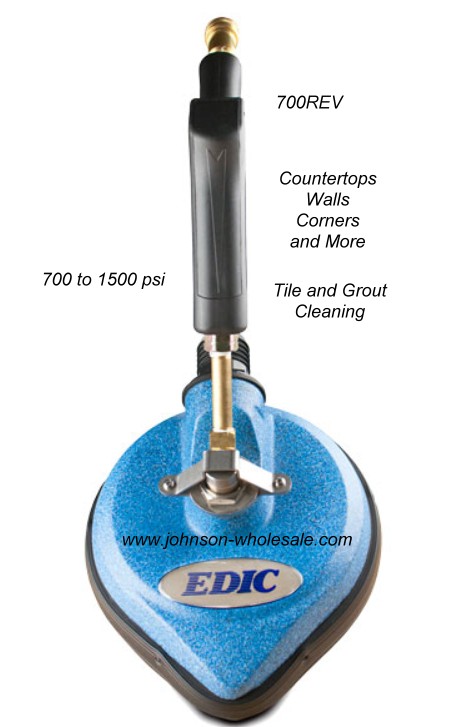
Bathrooms, laundry rooms, and kitchens face unique challenges in the local area. Steam and standing water are the primary enemies of grout integrity. When water penetrates the grout line, it can reach the thin-set or adhesive layer, eventually causing tiles to loosen or "tent." Furthermore, moisture behind a wall or under a floor provides the exact conditions needed for biological growth. Modern sealing techniques for 2026 prioritize antimicrobial properties integrated directly into the sealer formula.
Using HydroClean Carpet & Floor Care Wall Tile Cleaning has become a standard recommendation for those looking to avoid the cycle of scrubbing and re-grouting. These professional-grade barriers do more than just stop water; they resist the enzymes produced by common household bacteria. This means that surfaces stay cleaner for longer periods, and the frequency of aggressive chemical cleaning can be reduced significantly. For families in the Tennessee area, this translates to a healthier indoor environment with less reliance on harsh fumes and acidic cleaners that can etch sensitive stone surfaces.
Hardwood and Tile Synergy in 2026 Design
Many homes today feature a mix of hardwood and tile, sometimes even within the same open-concept room. While hardwood doesn't use grout, the moisture management principles applied to tile often overlap with wood-look tile or the transition zones between different flooring types. Protecting the edges of these transitions is vital. If a tile floor is not properly sealed, moisture can migrate laterally into the adjacent hardwood, causing the wood planks to swell or cup.
The latest sealing tech helps maintain a dry boundary between these disparate materials. By ensuring the grout at the transition strip is completely non-absorbent, the risk of cross-contamination from spills is minimized. This holistic approach to surface care treats the floor as a single system rather than separate parts. It is common to see property managers focusing on HydroClean Carpet & Floor Care in Jackson TN to ensure that their investments are protected from the ground up, especially in high-traffic commercial or residential rental properties.
Longevity and Environmental Responsibility
One of the most impressive features of 2026 sealing products is their lifespan. In previous decades, sealants required reapplication every twelve to eighteen months. Modern advancements have extended this timeline considerably, with some professional-grade applications lasting five years or more under normal conditions. This longevity is partly due to the increased resistance to UV degradation and the ability to withstand pH-neutral cleaning agents without breaking down.
Environmental concerns have also driven the removal of volatile organic compounds (VOCs) from these formulas. Most 2026 sealers are water-based and emit almost no odor, allowing them to be applied without the need for occupants to vacate the building. This shift toward greener chemistry does not sacrifice performance; in fact, the water-based carriers often allow the active solids to penetrate deeper into the substrate than older solvent-based options. Residents in the local market can now achieve a museum-quality finish on their floors while maintaining high standards for indoor air quality.
Maintaining the Results
Even with the best sealing technology, maintenance remains a factor in 2026. However, the nature of that maintenance has changed. Instead of needing to use abrasive brushes and heavy detergents, a sealed floor typically only requires a damp microfiber mop and a neutral cleaner. The sealer keeps the soil on the surface, where it can be easily wiped away. This prevents the "sandpaper effect," where dirt particles are ground into the surface of the stone or grout by foot traffic, causing physical wear over time.
Proper maintenance also involves avoiding the use of vinegar or bleach on sealed surfaces. Even the best modern sealers can be weakened by repeated exposure to high acidity or high alkalinity. Professional restoration services in Tennessee usually provide homeowners with a specific care protocol to maximize the life of the sealer. This preventive mindset is what defines the 2026 approach to home care: using advanced science to reduce the manual labor of cleaning while extending the life of the home's most beautiful features. By investing in the right moisture protection today, property owners ensure their tile and stone surfaces remain a highlight of the home for many years to come.

Latest Posts
Why DIY Grout Cleaning Often Fails Homeowners

Guide to Stone Polishing in Bells
Why Scratched Surfaces Need Immediate Natural Stone Cleaning